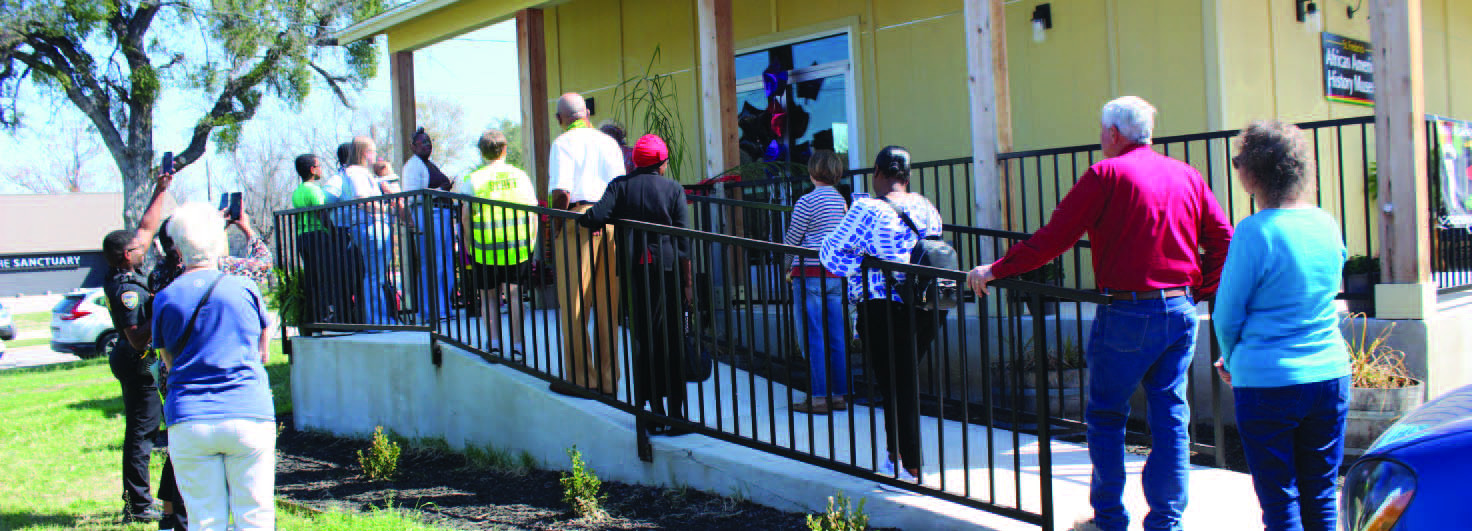
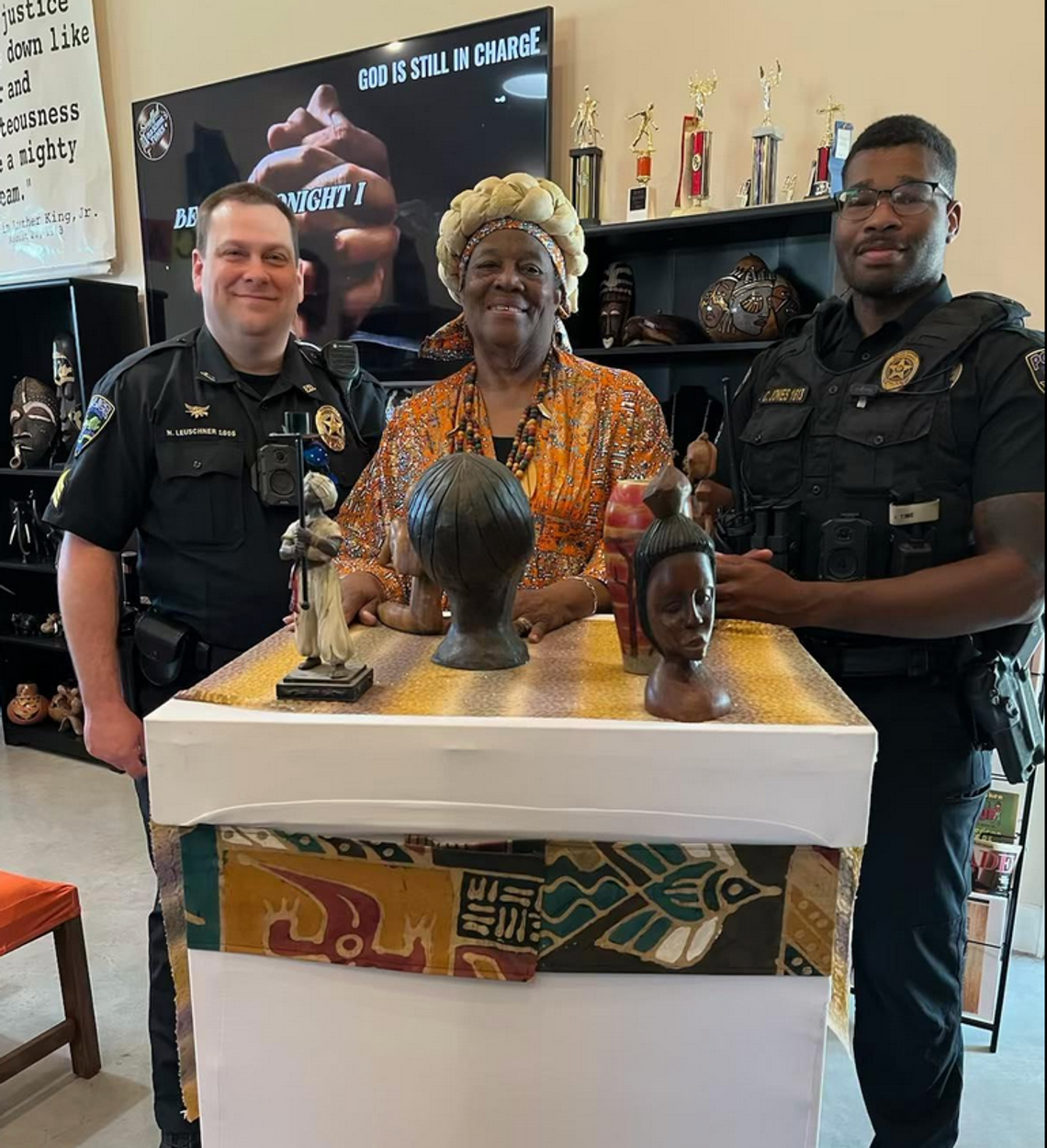
The new African America History Museum in Marble Falls was officially opened Feb 28.
The glass front doors at 311 Third Street in Marble Falls were festooned with purple and red balloons, the crowd had assembled, and the ribbon draping the entrance to the newly opened museum was cut by co-founders Bessie Jackson and George Perry, pastor of the adjacent church, St. Frederic Baptist.
The celebration followed an enthusiastic musical evening the night before, with about 100 people enjoying the revival of sorts; more came the next day to see the exhibits in the new building.
Saturday morning included opening prayers from Perry and remarks from Beverly Adams as well as a short speech from a visitor from Nigeria, Ogochukwu Okafor, along with songs led by Jackson in the chapel.
“Everything went well both Friday and Saturday and it was just a phenomenal crowd for the opening,” Jackson said. The building took about two years to complete; Jackson has spoken about the contributions which made it possible, such as John Williams and construction workers, the landscaping from Home Depot, the many donations.
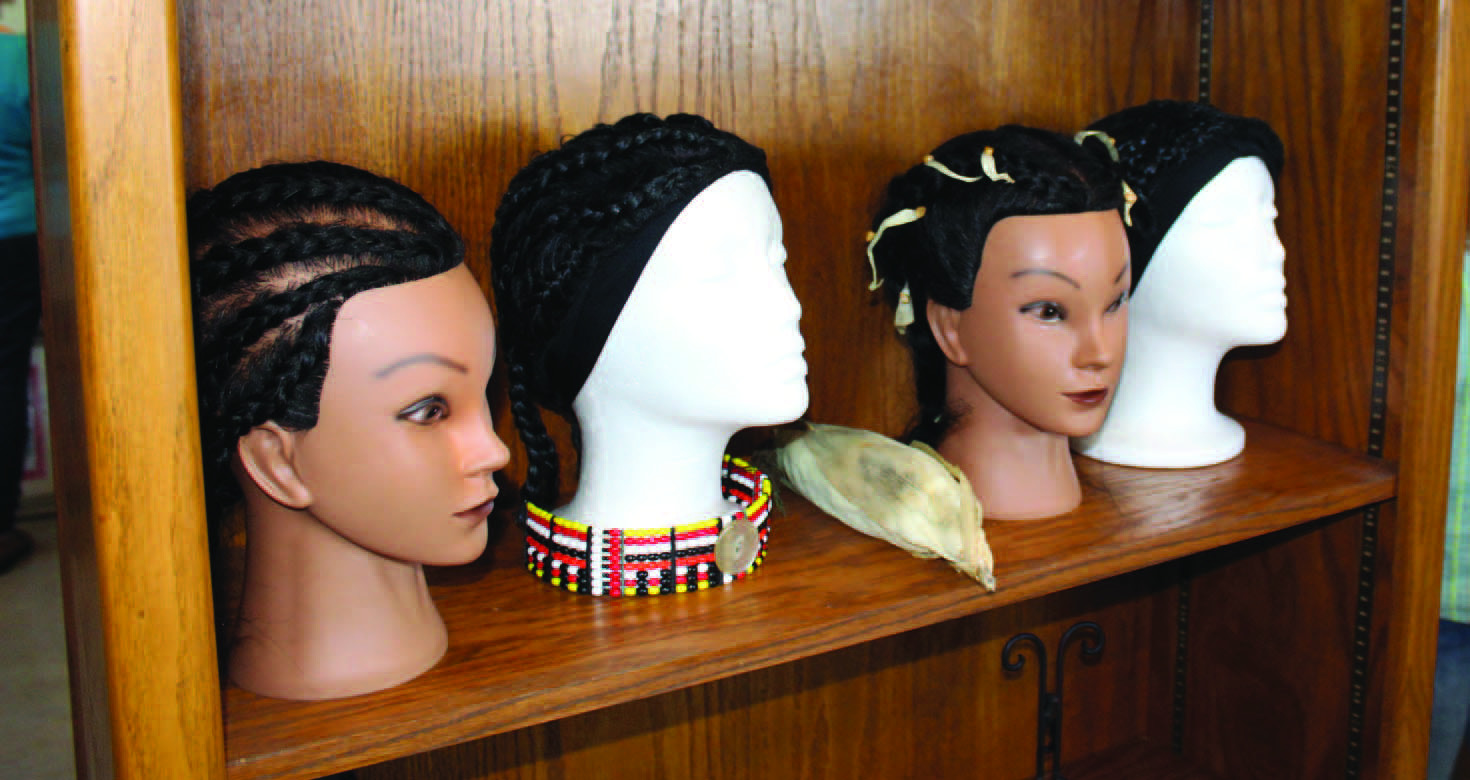
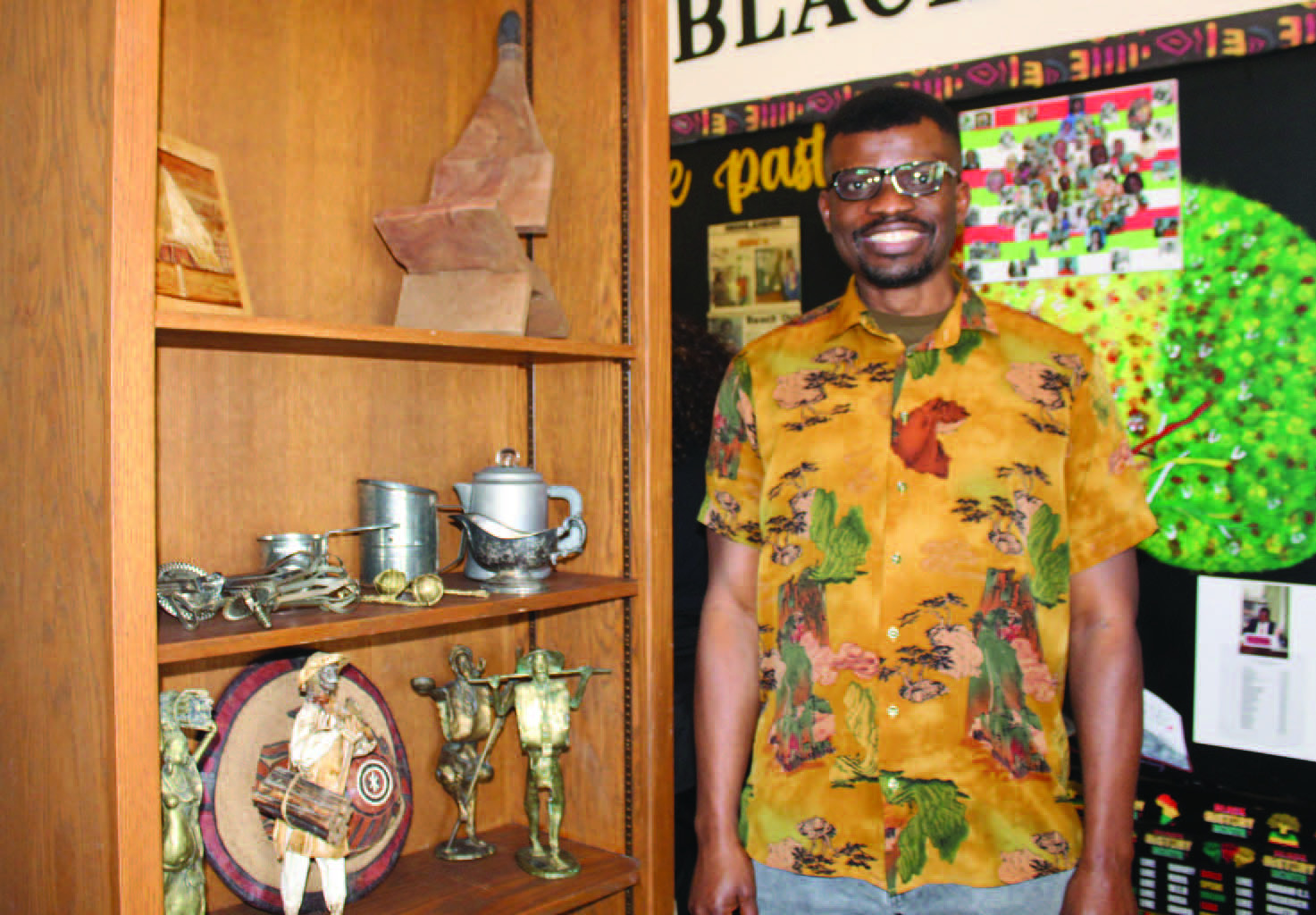
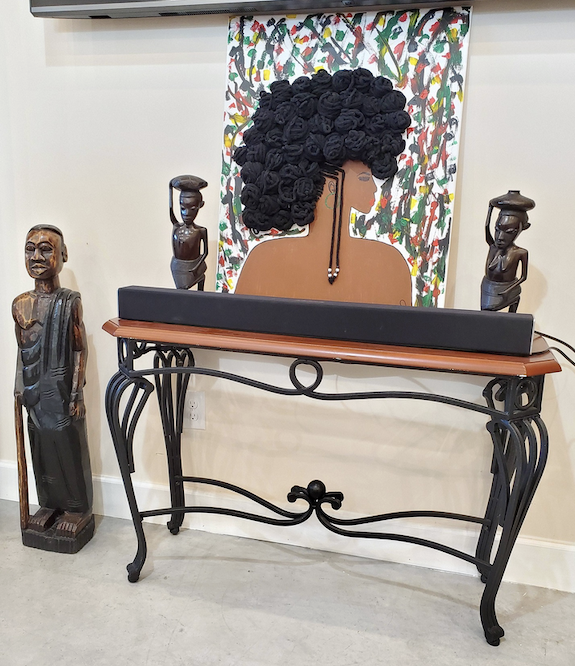
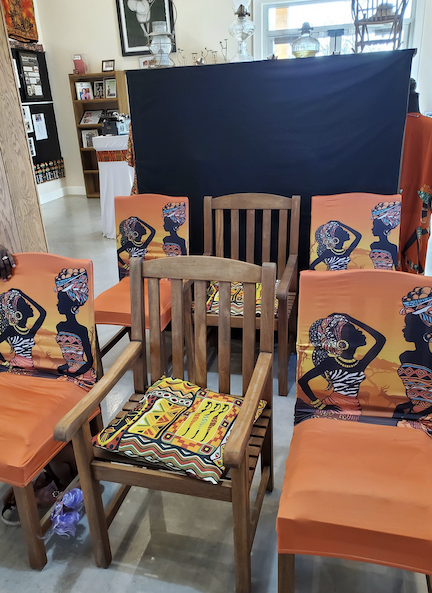
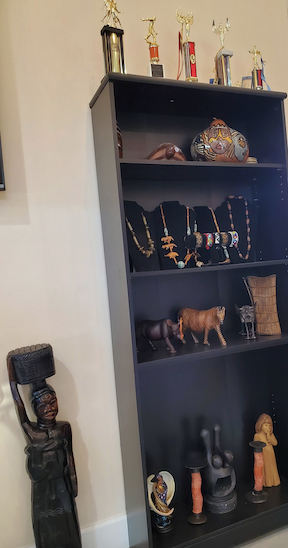
The facility includes the showroom where the collections and artifacts are exhibited and an office and upstairs storage.
Originally from Dallas, when she moved to the Hill Country, Jackson naturally became an active member of the community.
She has served on the Marble Falls ISD Board of Trustees and the Granite Shoals City Council, as well as contributed to the transformation of the old Marble Falls school house building into the Falls on the Colorado Museum.
Jackson referenced the late Marble Falls historian Madolyn Frasier on the beginnings of collecting items that would one day become a part of the museum.
“For years we would collect stuff, so it’s been an ongoing thing, ever since 1980,” Jackson remembered.
Jackson and Frasier, along with local historians Jane Knapik and Billy Becker, are among those credited with launching the Falls on the Colorado Museum in Marble Falls.
Years later, Jackson has now been able to parlay her experiences at that time into the organization and coordination of the new African American History Museum.
Board members of the new museum include Darlene Oostermeyer, Knapik and Perry.
Jackson relies on her own research and assessment to identify and chronicle items.
“So many people have brought stuff from everyone,” she explained. “They have donated it. I try to keep a record of it … so many people have donated stuff anonymously.”
The museum has several powerful displays including a bookshelf that has some controversial banned items from the past due to their racerelated subject matter.
She added that visitors are welcome to check out the books in the same way they would do so in a public library.
Jackson also promotes the museum any way she can – such as becoming a guest speaker at area churches, setting up booths at outdoor festivals and working with the local museum.
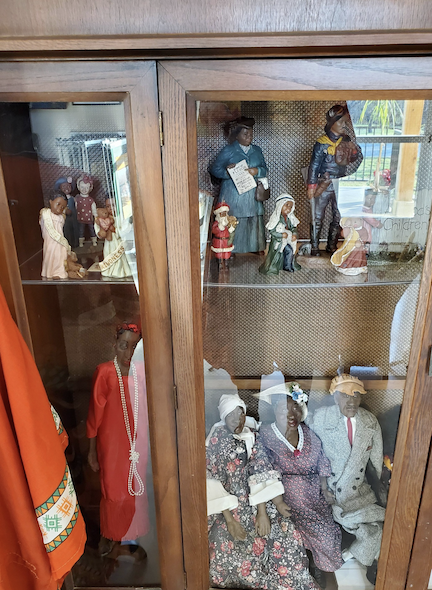
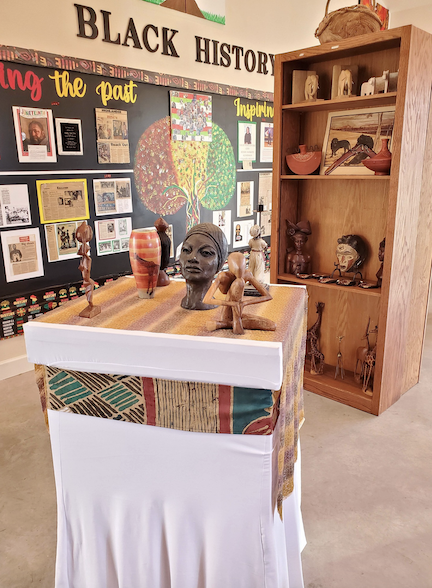
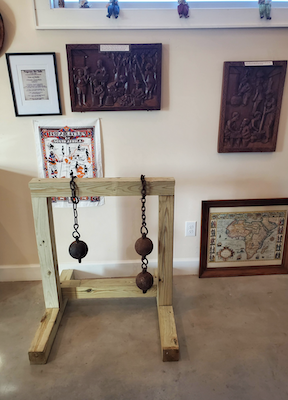
The museum also offers field trips for school children to visit and learn from the various exhibits.
“We’re going to have to do fundraisers continuously,” she said. “We’re going to accept donations.”
The museum sells small souvenirs like shirts, buttons and key chains to support the effort.
Some of their overhead includes insurance and utilities.
The hours of the African American History Museum, 311 Third St. in Marble Falls, are from 10 a.m. to 2 p.m. Thursday, Friday and Saturday.